
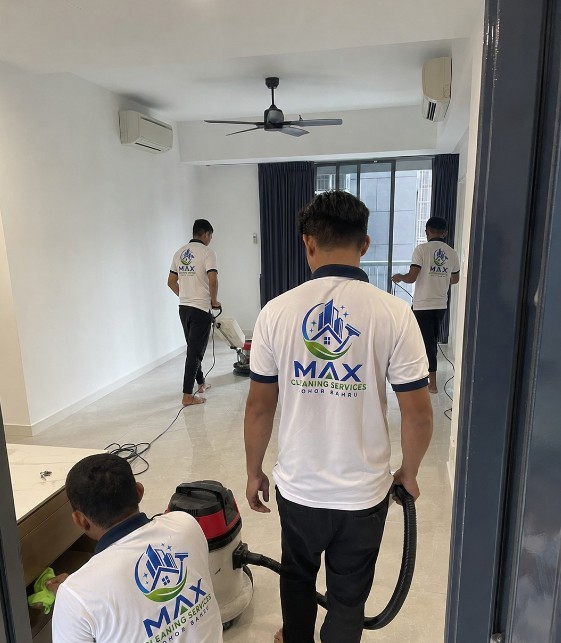
Renovation leaves behind a kind of dust that ordinary cleaning is not built to handle. Cutting tile, sanding plaster and drilling concrete produce extremely fine particles that travel through the whole property and settle into every surface, including spaces that were closed during the work. A household vacuum and a mop move some of it around. They rarely remove it.
This guide explains what a proper post-renovation clean covers and why the job is different from a normal deep clean.
Why Renovation Dust Is Different
Construction dust is far finer than the dust a home produces day to day. It stays airborne for hours and resettles after you think you have cleaned. It carries into wardrobes, drawers, light fittings and air-conditioning units. And some of it is mildly abrasive, so wiping it with a dry cloth can scratch glass and polished surfaces. Because it is so fine, it also recirculates: disturb a settled layer and it is back in the air and on the floor within minutes.
The Stages of a Post-Renovation Clean
1. Coarse debris removal
First, larger debris is cleared: offcuts, packaging, adhesive residue, paint flecks and protective sheeting. This happens before any wet cleaning, so nothing is smeared into surfaces.
2. Top-down dust removal
Dust is removed from the highest points first: ceilings, cornices, light fittings, the tops of cabinets and door frames, then walls and skirting. Working top-down means dust that falls is captured in a later pass rather than landing on cleaned surfaces. This stage uses controlled methods rather than dry sweeping, which would only relaunch the dust.
3. Detailed surface cleaning
Every surface is then cleaned in detail: window glass and tracks, tiles and grout, cabinet interiors, wardrobes, switches and power points. Paint and grout haze on tiles is lifted, which a normal mop does not remove.
4. Floors last
Floors are cleaned last, after all dust has been brought down and surfaces wiped. They are usually cleaned more than once, because fine dust keeps settling during the earlier stages.
Our post-renovation clean works through these stages in order. The job is not complete until you have walked through and confirmed you are satisfied.
Why DIY Usually Falls Short
Most homeowners who try to clean up after a renovation hit the same three problems. A domestic vacuum without a fine filter exhausts the smallest particles straight back into the air. Dry wiping scratches glass and polished stone. And without a top-down method, dust that was cleared from the floor comes back down from the ceiling and cabinet tops a day later. The result is a property that looks clean but keeps producing a thin film for weeks.
When to Book It
Book the clean after all construction and installation work is fully finished, including any touch-up painting. If you are moving in, schedule the clean to finish a day or two before furniture arrives, so the property is clear while the work is done. A post-renovation clean often pairs with a deep clean if the property also needs grout, bathrooms and kitchen brought up to standard at the same time.
our cleaning services in Johor Bahru handles post-renovation cleaning for homes and commercial units across the Johor Bahru area. Send a few photos of the completed work and we will quote the full job. Check our area coverage to confirm your address is on our route.